
Men's Health
Low testosterone, daily habits and getting tested
On this page
A man who feels exhausted after months of night shifts may wonder whether his testosterone has fallen. Another may feel well but see a low number on a test bought online. Neither situation can be understood from the number or the symptom alone. A useful starting question is what has changed in your life and how it affects you. That gives you and your doctor a clearer purpose than trying to raise a number just because a product promises to do so.
What low testosterone means medically
Testosterone contributes to sexual development, sexual function, bone and muscle health and other processes. A clinical diagnosis of testosterone deficiency generally requires relevant symptoms or signs together with consistently low levels on appropriate testing. Low sexual desire or a change in sexual function is worth discussing. Fatigue, poor concentration and reduced strength also have many possible explanations. A clinician will ask about sleep, mood, medicines, recent illness and other conditions.
If the first step is a conversation rather than an immediate prescription, that is time well spent. For example, tiredness with loud snoring and unrefreshing sleep may lead to questions about a sleep disorder. Recent use of anabolic steroids or a change in prescribed medicine may prompt a different assessment. Give the clinician an accurate list, even if you feel awkward discussing a gym product bought without a prescription.
What daily habits can realistically do
A regular opportunity for sleep, enjoyable physical activity and adequate food all support general health. These changes have value even if a hormone result stays the same. An exercise plan should fit your current fitness and any injuries. If you have been inactive, a manageable session you can repeat is more useful than trying an exhausting routine designed for someone else. Discuss persistent difficulty sleeping or recovering from activity with your clinician.
Look closely at products sold as boosters
- Read every ingredient on the label. A mixture of herbs, vitamins and minerals may duplicate ingredients you already take.
- Be cautious about promises of rapid changes in sexual performance or muscle size. A marketing claim does not establish a diagnosis or a benefit for you.
- Bring the actual packet or a clear photograph to a pharmacist or doctor, including the amount taken and how long you have used it.
- Discuss fertility goals before starting testosterone. Testosterone treatment can suppress sperm production and may work against the goal of conceiving.
How testing usually proceeds
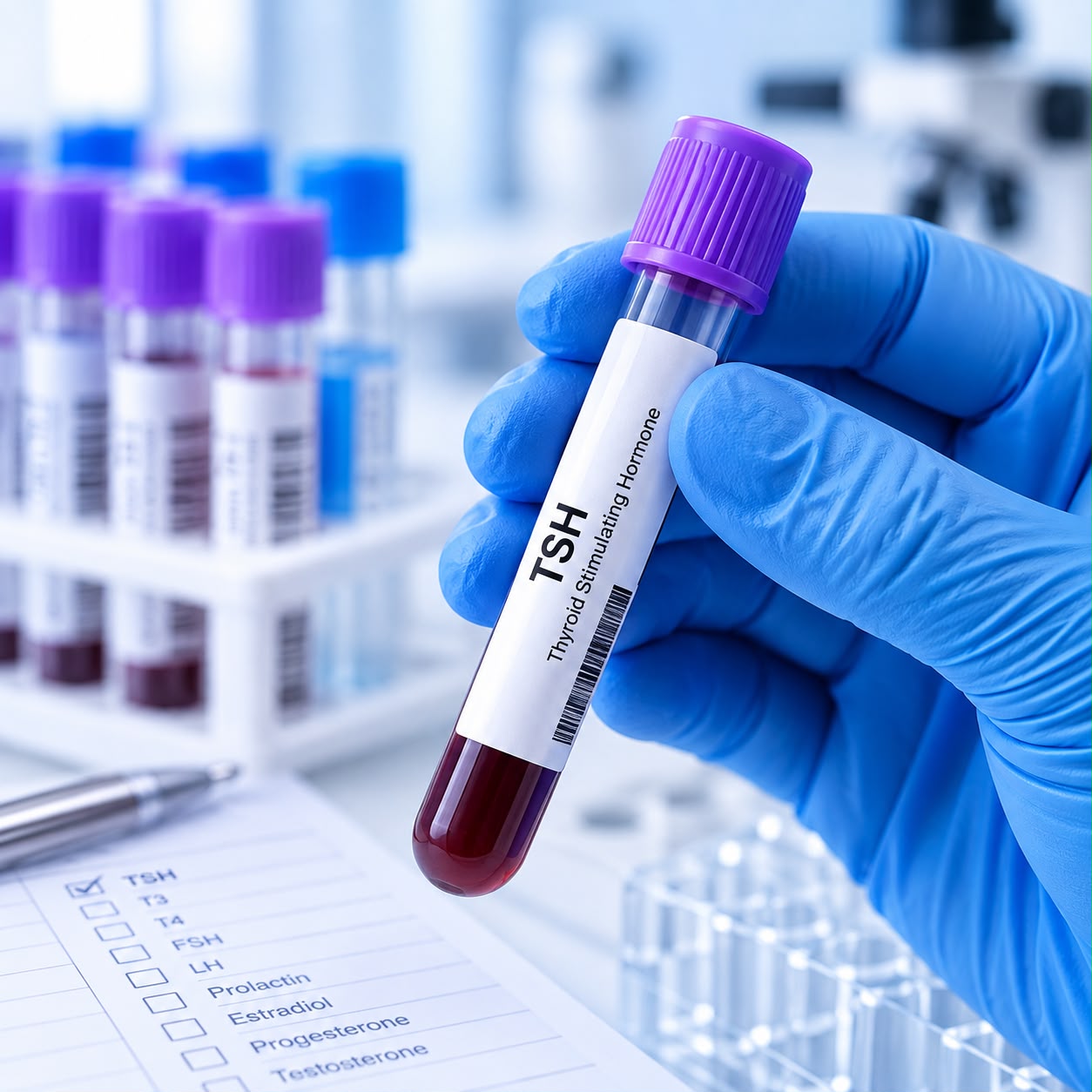
Testosterone levels vary with time and circumstances. When testing is clinically appropriate, clinicians generally use a morning blood sample and confirm a low result on a separate occasion. Follow instructions about fasting and timing from the team ordering the test. If you work nights, tell them your sleep schedule before booking. Testing during an acute illness can complicate interpretation, so mention recent illness when planning or reviewing the sample.
The laboratory's unit, measurement method and reference interval matter. A screenshot containing only a large number and a downward arrow leaves out information the clinician needs. Bring the original report and the time of collection. In selected situations, the clinician may request additional hormone tests to understand why the result is low or to clarify a borderline finding. Ask how each proposed result would influence the next decision.
If treatment is discussed
Ask what symptom the treatment is expected to improve, which alternatives exist and what monitoring is needed. Your clinician will consider fertility plans, other health conditions and potential harms before advising treatment. Do not use another person's prescription or change a dose based on an internet comparison. If you are already taking testosterone, contact the prescriber to discuss problems rather than trying to manage adverse effects with another product.
Frequently asked questions
Can a particular food raise my testosterone?
No single food reliably treats confirmed hormone deficiency. A varied diet that meets your nutritional needs provides a sound foundation. If your diet is restricted or you have lost weight unintentionally, ask whether a dietitian or assessment for a deficiency would help. Buying several supplements before that assessment can make the history harder to interpret.
My result was low and my friend's was higher. Should I worry?
First compare the timing, units and clinical reasons for the tests. Even then, your friend's result does not set your treatment target. Ask whether your symptoms and repeat measurements support a diagnosis and whether another cause is more likely.
Is an annual testosterone test useful for every man?
Routine screening is a different question from evaluating symptoms. Discuss why the test would be useful for you and what decision would change. If no decision depends on it, another aspect of your health may deserve more attention at this visit.
What to do next
Make a short list of symptoms, when they began and anything that changed around the same time. Bring records of previous tests and all medicines or supplements. Ask your clinician whether testing is appropriate and, if so, how to arrange the sample and the follow-up conversation.